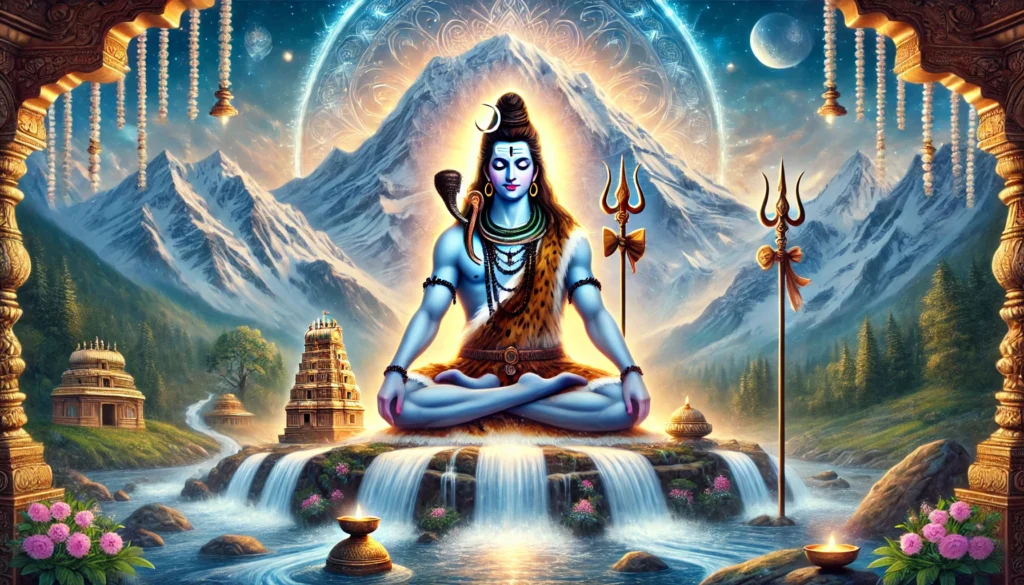
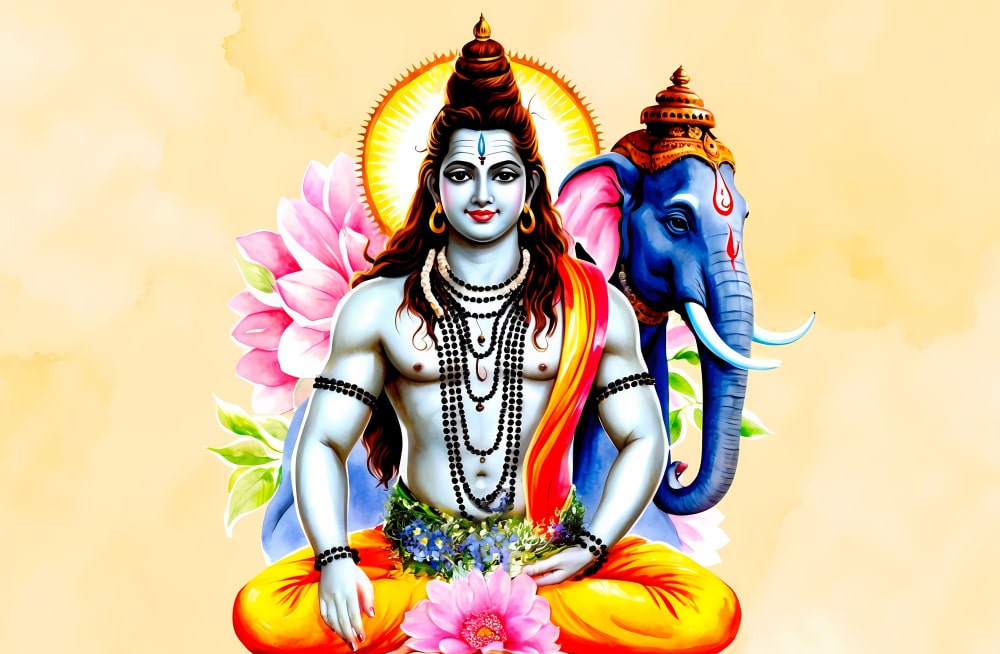
The blue color of Lord Shiva’s neck is deeply symbolic and rooted in a powerful mythological event known as the Samudra Manthan (churning of the ocean). Here’s the story and its significance:
The Legend of Samudra Manthan
- The Churning of the Ocean
The gods (Devas) and demons (Asuras) collaborated to churn the ocean of milk (Kshirasagar) to obtain the nectar of immortality (Amrit). The churning produced many divine treasures, but it also released a deadly poison called Halahala. - The Poison Threatens the Universe
The Halahala poison was so toxic that it threatened to destroy all of creation. Terrified, the gods and demons sought Lord Shiva’s help to save the world. - Lord Shiva’s Sacrifice
Compassionate and selfless, Lord Shiva consumed the poison to protect the universe. However, to prevent the poison from spreading through his body, he held it in his throat, not swallowing it. This act turned his neck blue, earning him the name Neelkanth (the blue-throated one).
Symbolism of the Blue Neck
- Selflessness and Sacrifice
Shiva’s act of consuming the poison symbolizes his willingness to bear immense pain and sacrifice for the greater good, reflecting his role as the protector of creation. - Control of Negative Energies
Holding the poison in his throat signifies his supreme control over destructive forces, demonstrating his mastery over both life and death. - Balance and Restraint
The blue neck represents balance—Shiva’s ability to contain the poison without letting it harm him or others. It teaches the importance of managing negativity in life without allowing it to overwhelm us.
Spiritual Lessons
- Compassion: Shiva’s act reminds us of the importance of empathy and putting others’ welfare above our own.
- Inner Strength: It shows the need for inner fortitude to face life’s challenges and negativity without succumbing to them.
- Self-Control: Shiva’s control over the poison highlights the importance of restraint and mindfulness in dealing with harmful emotions or situations.